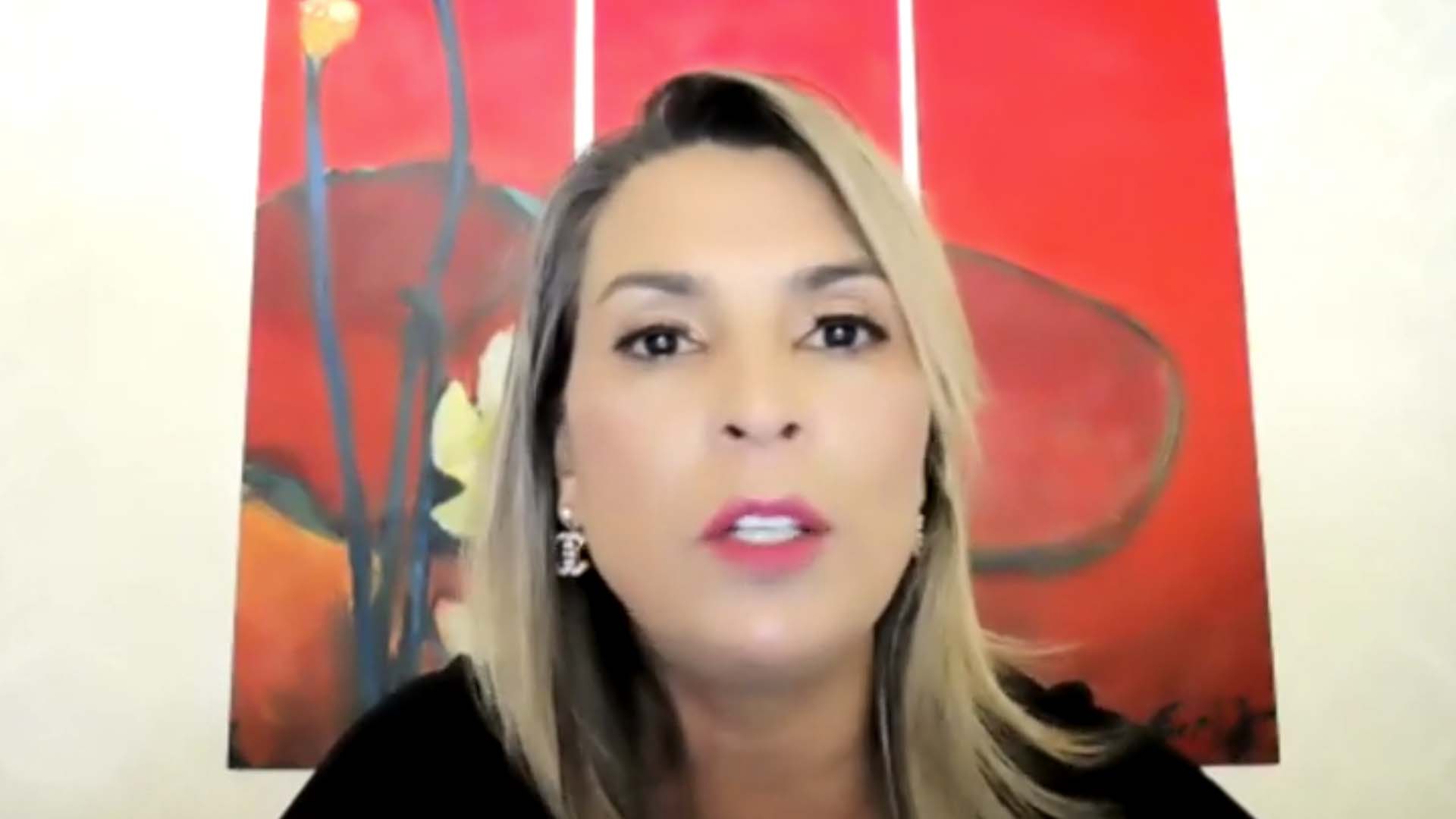
As a medical doctor specializing in cannabis medicine, I am passionate about presenting my physician’s perspective on medical cannabis. With extensive academic credentials and international experience, I advocate for integrating cannabis into traditional clinical practice to provide personalized and holistic care. I emphasize the importance of education, responsible prescribing, and a patient-centered approach. My journey into medical cannabis began through volunteer work with pediatric epilepsy patients, where I witnessed firsthand its potential to improve not only symptoms but also overall quality of life.
I distinguish clinical cannabis use from unregulated dispensary practices by highlighting the critical need for medical expertise in prescribing cannabis, especially due to drug interactions and patient-specific risks. I discuss various forms of medical cannabis administration—such as inhaled vaporizers, tinctures, oils, capsules, patches, and suppositories—and I am excited by ongoing innovations like nanotechnology that improve bioavailability.
Through clinical examples, such as fibromyalgia and refractory epilepsy, I illustrate how cannabis can significantly reduce symptoms and improve the quality of life for patients and their families. I stress that medical cannabis is not just symptom-focused but is a comprehensive treatment option that encompasses physical, psychological, and social dimensions.
I also address challenges, including contraindications, risk populations (such as patients with schizophrenia or cardiac conditions), and the complexity of drug-drug interactions. I advocate for responsible use guided by physicians, ongoing research, and formal education to ensure the safe and effective integration of medical cannabis into healthcare systems worldwide. Despite these challenges, I remain optimistic about the future, especially with recent global regulatory changes that are facilitating research and more evidence-based use of cannabis medicine.
Highlights
- As a globally recognized expert in medical cannabis with extensive qualifications and clinical experience, medical cannabis enables me to offer a more integrative, personalized, and empathic approach to patient care.
- Professional medical oversight is crucial for safe cannabis prescribing, due to potential drug interactions.
- Cannabis medicine improves quality of life for patients with refractory epilepsy, chronic pain, cancer-related symptoms, and neurological conditions.
- Patients with psychosis, unstable cardiac or pulmonary conditions, pregnant women, and adolescents are considered high-risk populations for cannabis use.
- Innovations such as nanotechnology and diverse administration methods are enhancing medical cannabis delivery.
- Ongoing research and education are essential to mainstream acceptance and safe clinical use of cannabis medicine.
Key Insights
- Cannabis Medicine as Integrative Care: I believe medical cannabis can transform the traditional symptom-driven model into a holistic treatment that considers lifestyle, mental health, and quality of life. This broader perspective encourages me and my colleagues to see patients as whole persons rather than a collection of symptoms, which improves treatment adherence and outcomes.
- Necessity of Medical Expertise: Unlike buying cannabis products from dispensaries without medical guidance, patients benefit greatly when doctors prescribe cannabis. I understand pharmacology, potential toxicities, and drug-drug interactions, ensuring treatments are not only effective but safe. This is particularly critical given the evolving landscape of cannabis-based medicines with variable concentrations of cannabinoids like THC and CBD.
- Educational Imperative: I have observed a persistent knowledge gap among healthcare professionals regarding cannabis. My ongoing training and educational endeavors reflect the need for formal curricula and continued medical education programs to equip doctors confidently with cannabis treatment protocols, which can lead to broader clinical adoption.
- Complex Pharmacology and Drug Interactions: Cannabis compounds like THC and CBD interact with multiple neurological and metabolic receptors, including CYP450 enzymes responsible for metabolizing many pharmaceuticals. This complexity demands vigilant medical supervision to prevent adverse effects, especially in patients on critical medications such as warfarin or benzodiazepines.
- Evidence for Specific Conditions: Medical cannabis shows robust evidence in several therapeutic areas: refractory childhood epilepsy (e.g., Lennox-Gastaut and Dravet syndromes), spasticity in multiple sclerosis, chronic neuropathic pain, chemotherapy-induced nausea, and fibromyalgia. My clinical cases and references to randomized controlled trials reinforce these indications with measurable improvements in symptom severity and quality of life metrics.
- Global and Regulatory Context: I am keenly aware that cannabis medicine’s legal status varies widely across countries, influencing accessibility and prescribing practices. For example, in Colombia, I am able to prescribe magistral cannabis formulations with follow-up care, whereas in other regions patients may only access certain forms or must navigate complex legal frameworks. The recent removal of cannabis from the UN’s Schedule IV represents a pivotal regulatory shift that could accelerate research and clinical integration globally.
- Risks and Contraindications: Cannabis is not without risks. Certain populations—especially those with psychotic disorders or at risk of substance abuse—require careful assessment before I prescribe. THC, in particular, is contraindicated in patients prone to psychosis, while CBD may have therapeutic potential even in some psychiatric conditions. Understanding these nuances is crucial for maximizing benefits while minimizing harm.
- Future Outlook and Research Needs: I am optimistic about future discoveries and expanded clinical indications. Emerging technologies like nanotechnology aim to improve the pharmacokinetics of oral cannabis products. Ongoing clinical trials and increased government support for cannabis research should yield more definitive guidelines.
This is my perspective as a physician committed to advancing safe, effective, and compassionate cannabis medicine.