
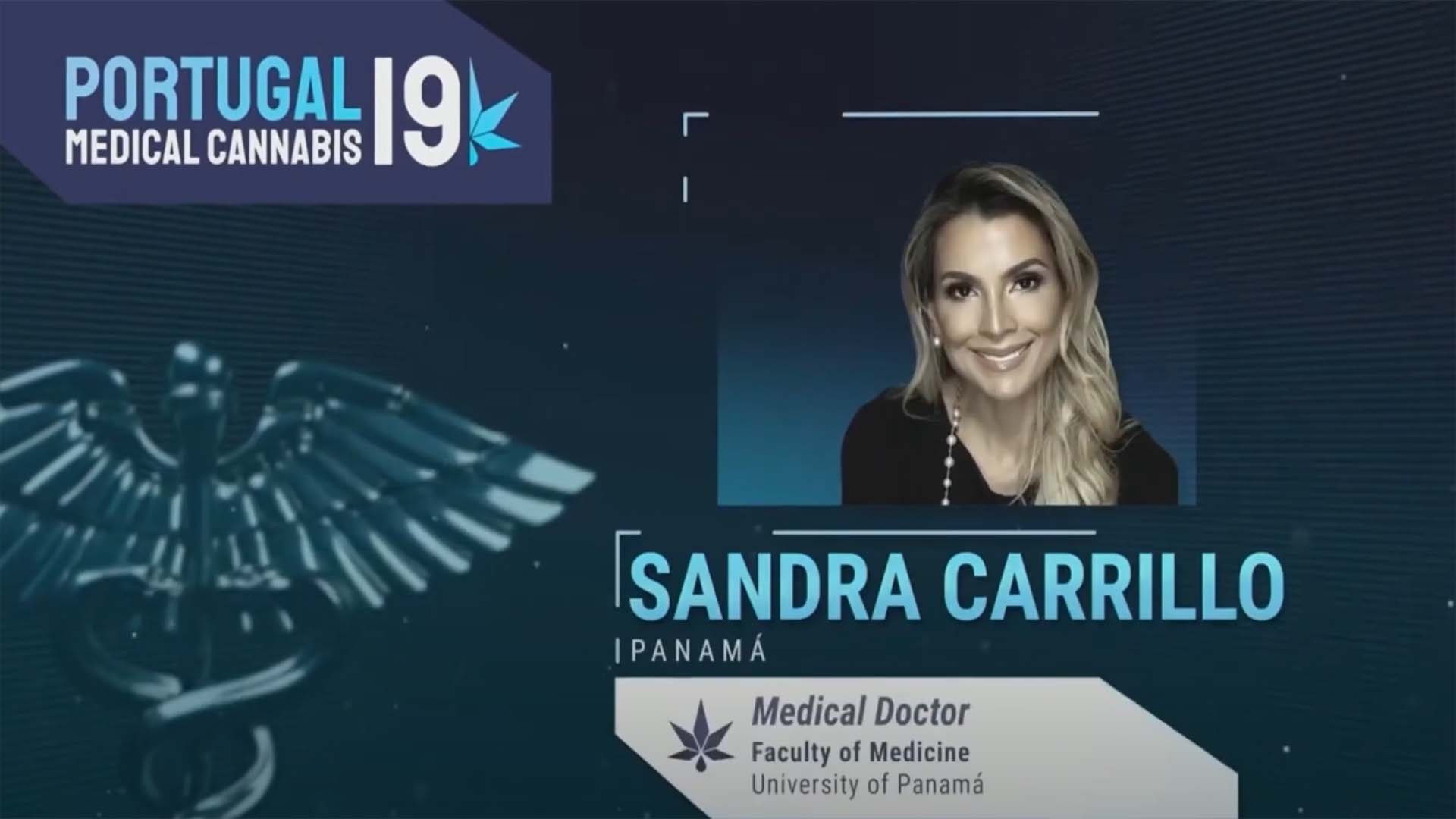
In this video, Dr. Sandra Carrillo, a leading expert in medical cannabis and epilepsy treatment, provides an in-depth overview of the therapeutic potential of cannabinoids, especially cannabidiol (CBD), for refractory epilepsy. She begins by highlighting the critical issue: many children with refractory epilepsy, often suffering from multiple seizures daily and resistant to standard medications, have turned to medical cannabis in search of relief. Dr. Carrillo reviews both preclinical and clinical evidence, demonstrating that cannabinoids, particularly CBD, have significant anticonvulsant effects with a generally favorable safety profile.
The talk emphasizes how CBD interacts with the endocannabinoid system differently than THC, mainly acting through receptors other than CB1, and explains the mechanism behind its seizure-reducing properties. Several preclinical animal models and in vitro studies underscore CBD’s efficacy in reducing epileptiform activity and protecting neurons. Clinical trials, especially those involving the FDA-approved drug Epidiolex—a purified CBD preparation—show substantial seizure reduction in patients with treatment-resistant epilepsy with tolerable side effects such as somnolence, diarrhea, and elevated liver enzymes.
Dr. Carrillo stresses the importance of responsible medical use, clarifying that CBD should be used as an adjunctive treatment after failure of multiple antiepileptic drugs rather than as a first-line therapy. She stresses educating physicians and patients to remove myths and misinformation about cannabis treatment, advocating for better standardization of medical cannabis products and improved pricing to increase accessibility.
Furthermore, she outlines existing clinical guidelines for dosing, the significance of liver enzyme monitoring during therapy, potential drug interactions, and the necessity for continued research. The presentation also touches on the importance of genetic diagnosis in epilepsy to optimize cannabinoid treatment and concludes by acknowledging the growing acceptance of cannabinoids for epilepsy while underscoring the need for further rigorous studies.
Highlights
- Cannabidiol (CBD) shows promising anticonvulsant effects in both preclinical and clinical studies for refractory epilepsy.
- Treatment-resistant pediatric epilepsy often drives the demand and study of medical cannabis.
- CBD is generally well-tolerated but can cause side effects like somnolence and elevated liver enzymes, necessitating careful monitoring.
- Epidiolex (FDA-approved CBD) has demonstrated significant seizure reduction in multiple clinical trials.
- The endocannabinoid system plays a crucial role in seizure regulation, with CBD acting on several receptor pathways distinct from THC.
- Standardization, affordability, and accurate dosing of cannabis products remain major challenges.
- Physician education and patient support are essential to safe and effective integration of cannabis medicine.
Key Insights
- Preclinical Evidence Validates CBD’s Anticonvulsant Properties: Various in vitro and in vivo models, including pilocarpine-induced status epilepticus and low magnesium hippocampal cultures, show significant seizure reduction with cannabinoids. The use of CB1 receptor agonists and endocannabinoids highlights the biological plausibility of targeting the endocannabinoid system for epilepsy treatment. This foundational science supports translating cannabinoid therapy into clinical practice.
- Focus on Pediatric Refractory Epilepsy: Many children with rare genetic epilepsies fail multiple conventional drugs, resulting in a profound impact on quality of life. Studies cited demonstrate that CBD improves seizure control in a significant percentage of these patients, sometimes rendering them seizure-free or substantially reducing seizure frequency. This highlights the unmet clinical need and justifies ongoing research investment.
- Epidiolex as a Milestone Medication: Epidiolex is unique as the first FDA-approved cannabinoid-based drug for epilepsy, delivering pharmaceutical-grade, standardized CBD. Clinical trials involving doses of 6-20 mg/kg/day show consistent seizure reduction without major neurotoxicity or motor deficits. The availability of such a drug provides a model for how cannabinoids can be integrated into modern neurology. However, high cost limits access, demonstrating a gap between scientific progress and patient affordability.
- Adverse Effects and Drug Interactions Require Vigilance: Common side effects reported include somnolence, diarrhea, decreased appetite, and transient transaminase elevation, particularly when co-administered with valproic acid or clobazam. Liver enzyme monitoring is critical, and dosage adjustments of concomitant medications must be made responsibly. These findings reflect the complexity of polypharmacy in epilepsy and emphasize the need for clinical guidelines and close follow-up.
- Dosing Should Be Tailored and Standardized: Dosing recommendations generally start low and titrate upward by milligrams per kilogram per day, particularly in children. However, inconsistency in cannabis oil preparations lacking standardized concentrations leads to clinical challenges in maintaining consistent dosing when switching products. Regulatory standardization is essential to ensure safety and efficacy—a current gap that can jeopardize treatment outcomes.
- Physician Education is Paramount: The presentation underscores that many clinicians remain skeptical or uninformed about medical cannabis. Dr. Carrillo stresses the ethical responsibility of physicians to educate themselves about cannabis, provide accurate information to patients, and manage treatment carefully to avoid perpetuating myths or unsafe practices. The shift from traditional paternalism to patient-driven inquiries around cannabis mandates that providers be prepared to discuss these therapies knowledgeably.
- Research Gaps Persist but Momentum is Growing: Despite robust preclinical and some clinical evidence, larger and longer-term clinical trials are still needed to define optimal protocols, understand long-term safety, and extend indications beyond pediatric refractory seizure syndromes. The American Epilepsy Society’s cautious stance reflects this gap but recognizes anecdotal positive outcomes and advocates for rigorous trials. This balance between hope and evidence-based medicine will guide the future of cannabinoid therapeutics.
In conclusion, Dr. Carrillo’s presentation offers a comprehensive synthesis of current knowledge on medical cannabis in epilepsy, emphasizing cannabinoids’ promising role, the need for continued clinical validation, the importance of safety monitoring, and the necessity for coordinated efforts to educate healthcare professionals and ensure patient access to standardized, affordable cannabinoid medicines.
#CannabinoidMedicine #Cannabinoid #Medicine #Epilepsy #Cannabis #Medical Cannabis #MedicalEducation #Epidiolex #Cannabidiol #CBD #SandraCarrillo